
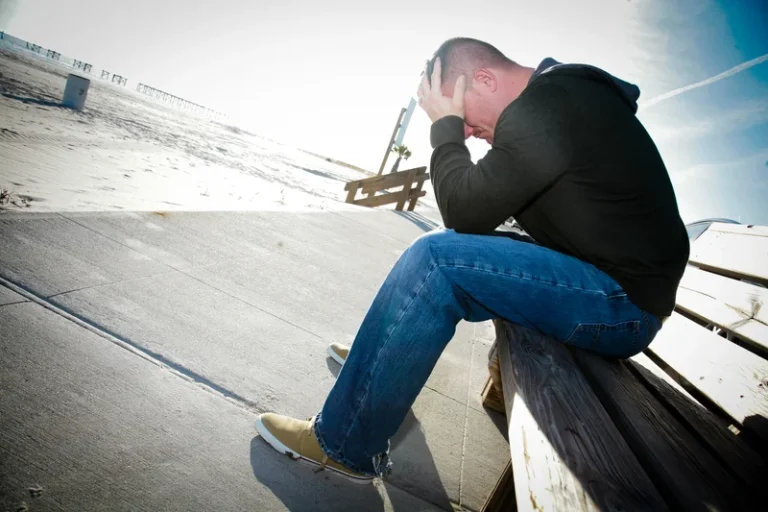
The consistent strain on the skin from swelling and deflation can also cause the skin to lose its does alcohol make you look older elasticity, further enhancing the aging process. A person struggling with alcoholism becomes unrecognizable to their loved ones, and not only in behavior. Alcohol addiction takes a toll on every aspect of your personal and professional life. It can change your personality, mental health, mannerisms and even your physical appearance. Alcohol can lead to damaged hair, although it doesn’t directly cause hair loss.
- Also, it may worsen pre-existing conditions like diabetes and high blood pressure.
- People older than 65 who don’t take any medications should average no more than one drink a day (seven per week) and have no more than three at one sitting.
- Drinking alcohol can pull more water out of your body and make your chances of dehydration even higher.
The Effects of Alcohol on Skin and Aging
- Next time you reach for a drink, consider your environment and whether it’s safe to indulge, especially if you’re alone.
- Once a person has identified a problem and wants treatment, it may be possible to reverse certain signs of aging that come from abusing alcohol.
- Most alcoholic beverages are full of empty calories with no nutritional benefits.
- Habitual actions like these will lead to cavities, acne, and similar issues.
It’s a natural process called intrinsic aging, and it’s something you can’t control. Extrinsic aging is when your skin ages faster than it should because of your environment and how you live. That’s where alcohol comes in — it https://ecosoberhouse.com/article/abuse-in-older-adults-a-growing-threat/ dehydrates you and dries out your skin. Drinking water between alcoholic beverages “will combat ethanol-induced dehydration, which will help your skin to look better the next day,” Koskinen said. If heavy drinking is a regular thing, you could face some potentially irreversible skin damage. Although alcohol might make you feel more relaxed in the moment, in the long run it can increase anxiety and depression, feeding into a negative cycle.
Alcohol Disrupts Sleep
That’s mainly because our bodies gain fat and lose muscle in our senior years alcoholism symptoms and it takes longer for us to break down alcohol and get it out of our system. As you get older, you have less water in your body and — for reasons that aren’t quite clear –you also feel thirsty less often. Drinking alcohol can pull more water out of your body and make your chances of dehydration even higher. Instead, Manning encouraged people to go out with their friends, even if they’re all going to a bar.
Research Confirms It: Alcohol Accelerates Cellular Aging
The skin under the eyes is particularly thin, making it more susceptible to the effects of alcohol, leading to a more tired and aged look. Psoriasis is an inflammatory skin disease that can be triggered by heavy alcohol use. Symptoms can include rashes, dryness, bumps, peeling, and more.
Over time, exposure to UV light can damage the skin causing irreversible changes. To enjoy social interactions without compromising health.2. To maintain better hydration levels by alternating alcoholic drinks with water.3. To incorporate healthier food choices alongside occasional indulgences. Inflammation is another factor that contributes to premature aging.
- Unfortunately, a night of heavy drinking can leave a person sweaty and odorous.
- This can be the direct result of changes to the composition of the body and hormonal changes.
- Pancreas – Problem drinking can lead to pancreatitis, characterized by inflammation and swelling of the blood vessels in the pancreas.
- Many people don’t realize that alcohol can alter your sleep patterns.
- In addition, I noticed a general brightness return to my eyes that hadn’t been there for years.
What are the Signs of Alcohol Abuse?
A study done with nearly 100 psoriasis patients showed that 17% to 30% had serious alcohol use problems. Psoriasis not only affects the skin’s appearance but can also lead to discomfort and a significant impact on quality of life. Instead of spending money on skin treatments to mask the devastating physical effects of alcohol, invest in your body from the inside out — the healing found in sobriety.
What does 20 years of drinking do to your body?
Recent research indicates that excessive alcohol consumption can indeed speed up the aging process at a biological level. As you age, changes in body weight can alter how alcohol is metabolized and how quickly alcohol leaves the system, affecting how you feel the next day. Both gaining and losing weight can impact this process, and, interestingly, so does your blood alcohol level. This is a stark reminder of how closely alcohol and aging are intertwined.
Recent Comments